


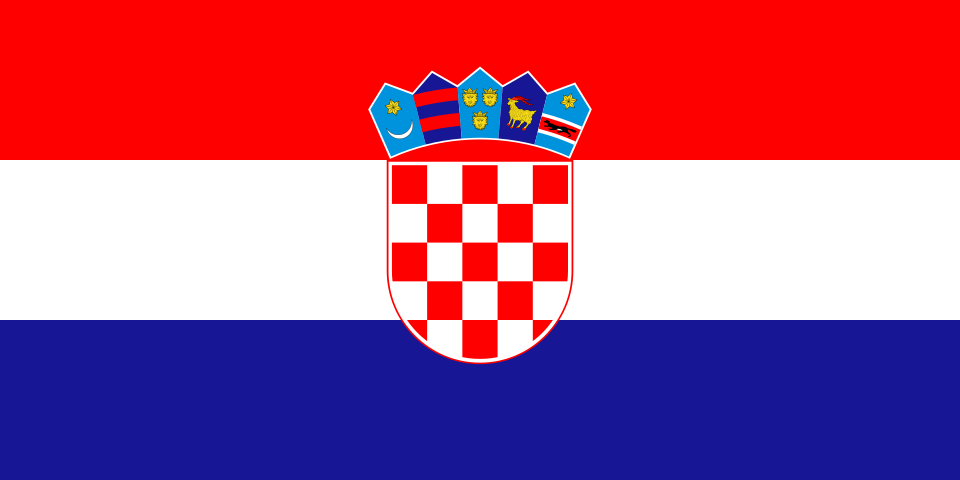
Where is Croatia
Croatia is a country located in southeastern Europe, along the northeastern coast of the Adriatic Sea. It is part of the Balkan Peninsula and shares land borders with several countries: Slovenia to the northwest, Hungary to the north, Serbia to the east, and Bosnia and Herzegovina and Montenegro to the southeast. To the west, across the Adriatic Sea, lies Italy. Croatia’s unique geography includes a long, rugged coastline with over a thousand islands and a varied interior landscape of mountains, forests, and plains. Its strategic location between Central Europe and the Mediterranean has shaped its diverse cultural and historical identity. The capital city, Zagreb, is situated in the northwestern part of the country.
Amazing Facts About Croatia
- Croatia Invented the Neck Tie
The cravat, the forerunner of the modern tie, originated from Croatian soldiers in the 17th century. French soldiers noticed it and adopted the fashion, calling it “à la Croate” (like the Croats). - Game of Thrones Was Filmed There
Many scenes from the hit series Game of Thrones were filmed in Dubrovnik, which served as the setting for King’s Landing. It brought global fame to the city’s historic walls and medieval architecture. - Over 1,200 Islands
Croatia boasts over 1,200 islands and islets, but only about 50 are inhabited. Hvar, Brač, Korčula, and Vis are some of the most beautiful and popular ones. - One of the World’s Smallest Towns
The town of Hum, located in central Istria, is officially recognized as the smallest town in the world, with only about 20–30 residents. - A UNESCO Superpower
For its size, Croatia has an impressive number of UNESCO World Heritage Sites, including Dubrovnik Old Town, Plitvice Lakes National Park, Diocletian’s Palace in Split, and several intangible cultural heritages like traditional lace-making and music. - Home to an Ancient Roman Palace
The city of Split is built around the ruins of Diocletian’s Palace, a massive Roman palace dating back to the 4th century AD. Today, it is a vibrant part of the city filled with shops, homes, and cafes. - Transparent Waters and Clean Beaches
The Adriatic Sea along Croatia’s coast is considered one of the cleanest in the world. Its crystal-clear turquoise waters are ideal for swimming, sailing, and diving. - Nikola Tesla Was Born Here
The famous inventor Nikola Tesla was born in Smiljan, a village in modern-day Croatia, in 1856. His legacy is celebrated in Croatian culture and science. - Rich Wine and Olive Oil Traditions
Croatia has been producing wine and olive oil for over 2,000 years. Istria, in particular, is known for some of the world’s best olive oils. - Unique Music and Festivals
Croatia is home to klapa music (a form of a cappella singing) and hosts many music festivals on the coast and islands, such as Ultra Europe and INmusic Festival.
Why Choose Croatia for Studying Abroad?
- Affordable Education and Living Costs
Tuition fees in Croatia are generally lower than in Western Europe or North America, and cost of living—including housing, food, and transportation—is relatively affordable. This makes it a budget-friendly option for many students.
- European-Standard Education
Croatia is part of the European Higher Education Area (EHEA) and follows the Bologna Process, ensuring that degrees are recognized across Europe and beyond. Many programs are taught in English, especially at the graduate and postgraduate levels.
- Diverse Programs in English
Croatian universities, such as the University of Zagreb, University of Rijeka, and University of Split, offer English-taught programs in fields like medicine, engineering, business, tourism, and international relations.
- EU Membership Benefits
As an EU member, Croatia offers easy access to other European countries for travel, internships, and job opportunities. Students from the EU/EEA often have fewer visa restrictions and more mobility.
- Safe and Friendly Environment
Croatia is considered a safe country with a low crime rate. Locals are generally welcoming, and many young people speak English, making it easier for international students to adapt.
- Rich Cultural and Historical Heritage
Croatia is steeped in history and culture, with medieval towns, Roman ruins, and UNESCO sites. It’s a great place to explore art, architecture, and European traditions while studying.
- Breathtaking Nature and Lifestyle
From the Adriatic coastline and islands to national parks like Plitvice Lakes, Croatia offers amazing opportunities for outdoor adventures. The relaxed Mediterranean lifestyle contributes to a good quality of life.
- Growing International Student Community
Croatia is becoming more international, with growing numbers of Erasmus+ exchange students and full-time international students. This creates a diverse academic and social environment.
- Strategic Location in Europe
Croatia is centrally located, offering easy travel to major European cities like Vienna, Budapest, Venice, and Munich—many of which are just a few hours away by bus, train, or low-cost flights. It’s perfect for students who want to explore Europe while studying.
- English-Speaking Environment
While Croatian is the official language, English is widely spoken, especially among younger people, students, and in urban areas. Most universities offer English-taught courses in areas such as:
- Medicine and health sciences
- Engineering and IT
- International business
- Tourism and hospitality
- Political science and European studies
- Erasmus+ and Exchange Programs
Croatian universities actively participate in Erasmus+, which allows students from partner countries to study for a semester or a year. It’s a great way to experience life in Croatia without long-term commitment, and many Erasmus students return later for full programs.
- Rich Student Life and Cultural Events
Croatia offers a vibrant student life:
- Cities like Zagreb, Split, and Rijeka have active student organizations, clubs, cafes, and cultural centers.
- Annual events such as film festivals, music festivals, theater weeks, and university sports competitions are common.
- Nightlife is lively and diverse—from coastal beach parties to downtown clubs and pubs.
- Modern and Well-Equipped Universities
Croatia has invested in its higher education system, especially since joining the EU. Campuses are modernizing, and research opportunities are expanding. Universities like:
- University of Zagreb (the oldest and largest, founded in 1669)
- University of Rijeka
- University of Split
- Dubrovnik International University (fully English-taught programs)
are increasingly gaining international recognition.
- Cultural Diversity and Heritage
Croatia is a cultural melting pot with influences from Central Europe, the Mediterranean, and the Balkans. Students can explore historic cities, ancient ruins, Ottoman architecture, and Catholic, Orthodox, and Islamic traditions—a rich cultural education outside the classroom.
- Sustainable Lifestyle and Nature Access
Croatians enjoy a balanced lifestyle. The climate is pleasant, food is fresh and Mediterranean-style, and the pace of life is relaxed. With 8 national parks and dozens of nature reserves, you’ll never run out of places to hike, swim, or just recharge in nature.
- Pathway to Careers in Europe
Graduating from a Croatian university opens doors to job markets across the EU. Many universities also offer internship opportunities and partnerships with European businesses, particularly in tourism, tech, logistics, and marine science.
Requirements
Documents for Admission
- SSC (Board, IBCC ,MOFA Attested Recognized )
- HSSC (Board, IBCC, MOFA Attested Recognized)
- Bachelors (University, HEC, MOFA Attested Recognized)
- Recommendations Letters
- Euro pass CV
- Motivation Letters
- IELTS or PTE if any
- Passport
- Photograph
Application Fee
- 30 to 200 Euros
Tuition Fee
1 Public Sector
- For Bachelors 1000 to 4000 Euros
- For Masters 1800 to 4500 Euros
2 Private Sector
- For Bachelors 2500 to 7000 Euros
- For Masters 3000 to 8000 Euros
Documents for Visa
- Educational Documents
- Passport
- Health Insurance
- Police Character Certificate (Apostille)
- Mediation Letter (university will provide after admission)
- Bank Statement 10,000 Euro (but Recommended 12,000 Euros)
- Proof of Funds
- Business Proof or salary slip if any
- Tuition fee paid voucher
- University Acceptance Letter
IELTS Requirements
With and Without IELTS (Depends on University)
Embassy in Pakistan
No. Through VFS Global (Iran)
Appointment issue
No till now
Intake
February, September but Maximum Courses are offered in September intake
Spouse Allowed
Yes, but not travel together spouse and children can join later.
Processing Time
Admission to TRP 4 to 6 Month, depends when you are going to start
Part Time Work Allow
Yes
Average Earning
During Study 500 to 800
During Holidays and vacations 700 to 1500
Visa Ratio
50%
Public Universities (Bachelor’s & Master’s programs in English)
These universities generally offer lower tuition rates (unless programs are taught in Croatian, which may be free for EU students)
| University | City | Undergrad (English) | Master’s (English) |
| University of Zagreb | Zagreb | ~ €3,800/year | Up to €4,000/year |
| University of Split | Split | €1,000–3,500/year | Similar or slightly higher |
| University of Rijeka | Rijeka | €1,200–3,500/year | Merit-based up to ~€4,000 |
| University of Zadar | Zadar | €1,000–2,500/year | ~ €2,500–3,500 |
| University of Dubrovnik | Dubrovnik | €1,200–3,000/year | ~ €3,000–3,500 |
| University of Osijek | Osijek | €1,000–3,000/year | ~ €3,000–3,500 |
| University North (Varaždin) | Varaždin | €1,000–2,500/year | ~ €2,500–3,500 |
Private Institutions & University Colleges
These institutions often have higher tuition fees but may offer American-style curricula or double degrees. They typically charge €3,000 to €7,000+ per year
- RIT Croatia (Dubrovnik & Zagreb)
- Undergraduate: EU students ~ €7,500/year; non‑EU ~ €8,500/year
- Master’s (MSc): ~ €17,500, with alumni scholarship of €4,500
- Zagreb School of Economics and Management (ZSEM)
- Bachelor’s & Master’s in business/economics: around €3,000–6,000/year
- Libertas International University / Dubrovnik International University (DIU)
- Undergrad degrees (International Relations, Business): €2,500–4,500/year
- Catholic University of Croatia (Zagreb)
- Psychology, Humanities, Social Sciences, Nursing: €1,500–3,500/year
- Algebra University College
- Master’s in Computer Science, Data Science, Digital Marketing: approx. €5,500–6,500/year
Additional Notes
- Medical (Health Sciences) programs taught in English at public universities cost more—typically €7,000–10,000/year, sometimes up to €12,000 /year
- In general, most non-health programs at public universities cost €1,000–4,000/year; private universities typically range €3,700–7,000+ depending on institution and program level
- Living costs for students average €400–700 per month (including accommodation, food, transport, etc.) — this translates to about €4,800–7,200/year
Summary
- Public universities offer the most affordable study options in English, with fees usually €1,000–3,800/year, except for high-cost fields like medicine.
- Private institutions offer specialized or international curricula—tuition ranges from €2,500 to over €8,000/year, with high-end programs such as RIT’s MSc costing ~€17,500/year.
- Merit-based discounts are available at several public universities (e.g. Rijeka, Split).
- Medical degrees are significantly more expensive.
- Living expenses are modest compared to Western Europe.